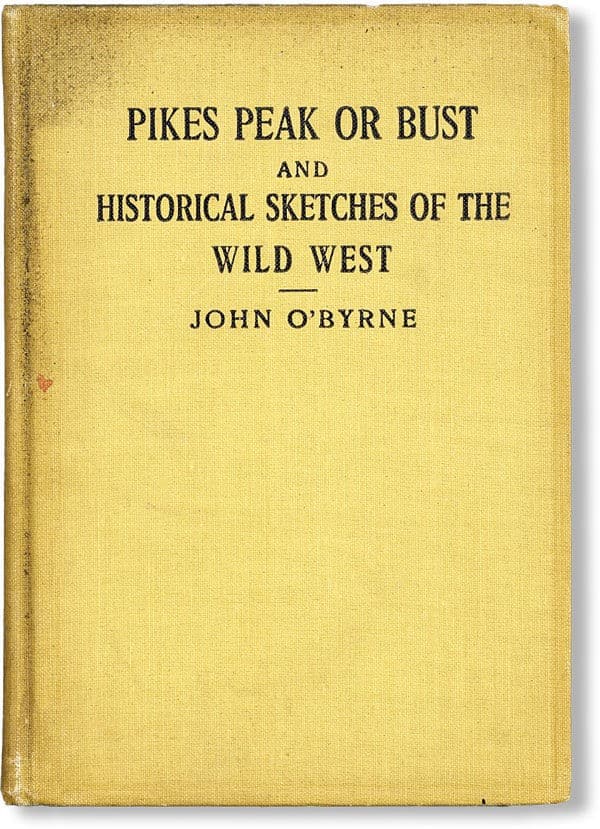
 Consulting the book “Pikes Peak or Bust: The Historical Sketches of the Wild West” written by John O’Byrne in 1922, amazingly little has changed in our mountain playground.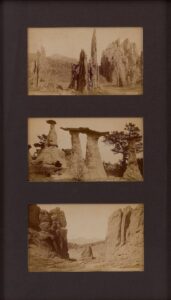
Garden of the Gods is still free to visit, but Balanced Rock and the adjacent “Mushroom Park” required a fee at the time of his writing.
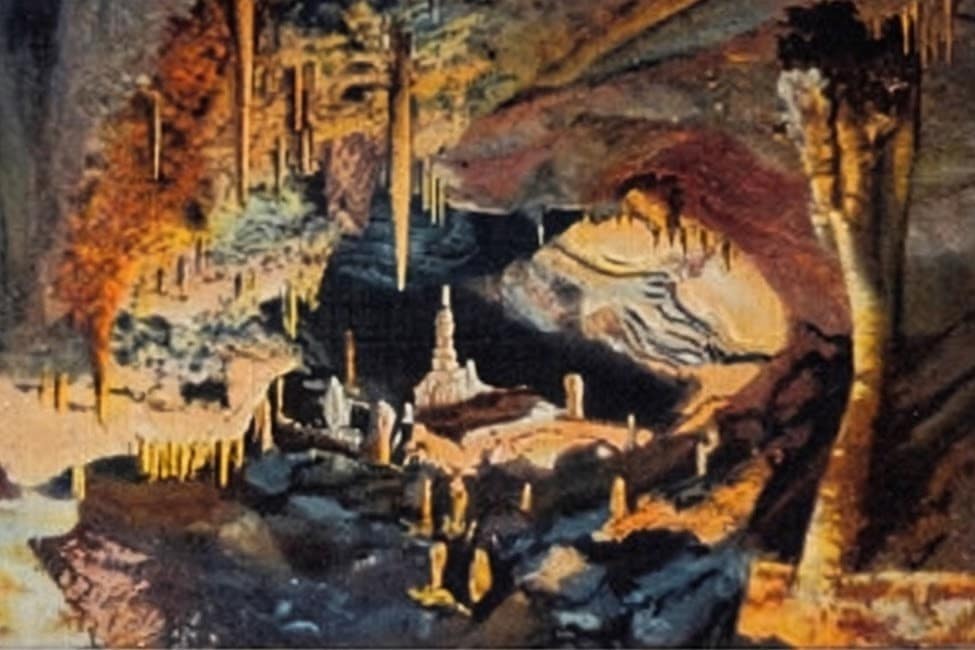 O’Byrne mentions Cave of the Winds and the Cliff Dwellings as must-see attractions that visitors can still experience today.

Then there’s the famous Mt. Manitou Incline, originally a funicular railway system that carried passengers up to a summit building for the views. Now, outdoor enthusiasts must conquer the steep climb under their own power. Crystal Park was once a toll road just south of Manitou Springs, starting at 6,700 feet and zigzagging up past 8,000 feet, where travelers enjoyed a waterfall and hunted for crystals. Today, Crystal Park is a private residential subdivision.
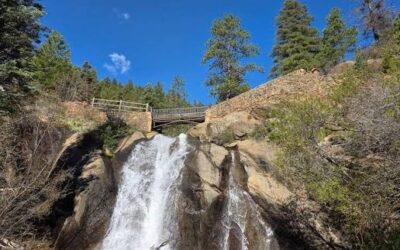
Helen Hunt Falls receives a brief mention, nestled at the southwest end of North Cheyenne Canyon. This is where the famed poet and author originally wished to rest, though her body was later moved to Evergreen Cemetery at her second husband’s request. Our Jeep tours take you straight to this gorgeous spot so you can hike the trail above the falls and see the landscape that inspired her legacy.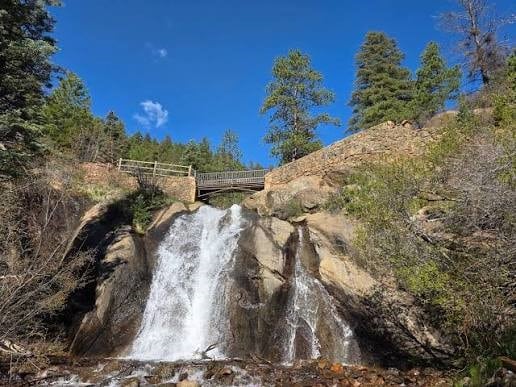
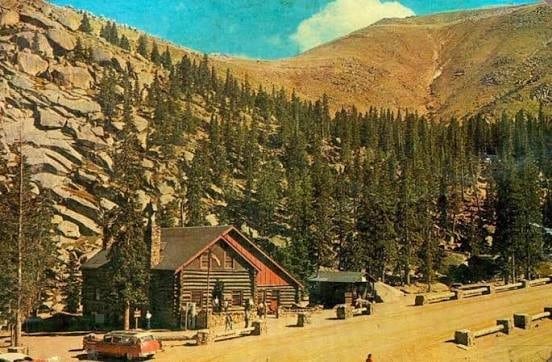
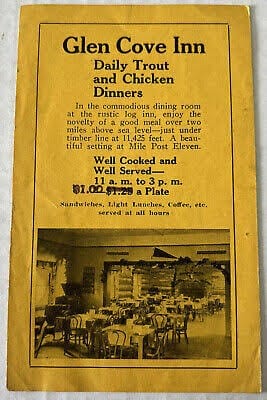
Reaching the summit of Pikes Peak a century ago meant riding burros for fifteen miles followed by a grueling stagecoach ride. Strong winds frequently flipped coaches over in gusts clocked at over 100 mph. Fortunately, Spencer Penrose later funded a proper highway, creating the iconic route our Adventure Jeep Tours follow today. O’Byrne noted that travelers could stop at Glencove to recharge with a hot chicken dinner before pushing to the top—an invaluable roadside asset that unfortunately ended when ownership shifted in 1927. The historic Broadmoor Pikes Peak Cog Railway also remains in full swing, offering another classic path to the summit.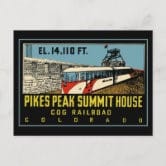
Who was this Front Range legend called John “Prairie Dog” O’Byrne?
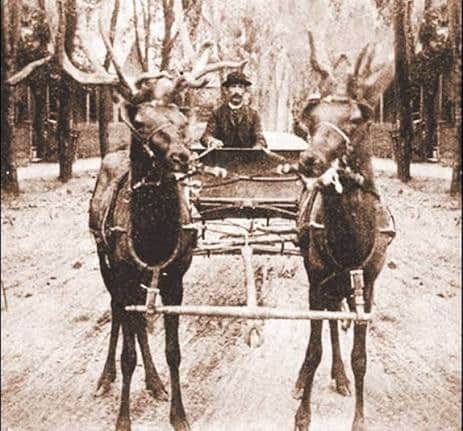
During the late 1800s, O’Byrne worked as a hack driver operating out of the “dry” town of Colorado Springs up to the rowdy “Old Town,” now known as Old Colorado City. He earned his moniker because he frequently carried a pet prairie dog in his carriage. But John became a local legend by raising and training a pair of bull elk named Thunder and Buttons to pull his rig. He was even hired to play Santa Claus in Denver, driving an elk-drawn sleigh through downtown streets. The sight and scent created total panic in local horses, causing a cascade of carriage crashes. Local authorities were thoroughly unamused by the resulting property damage and banned him from returning to Denver.
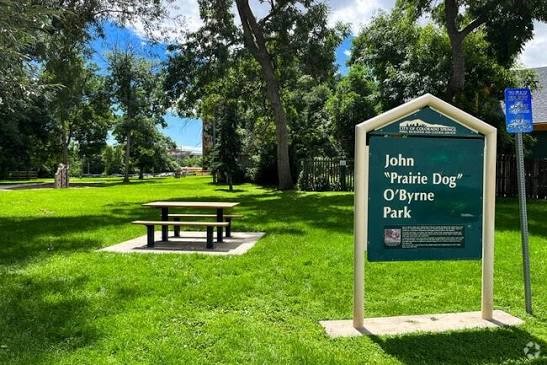
John preferred the wild energy of Old Town, where a quiet day meant nobody had started a shootout. His memoirs recall dropping cash to Soapy Smith in card games and sharing drinks with Bob Ford (the man who killed Jesse James), famous madam Laura Bell, prominent saloon keeper Byron Hames, and local card sharks like “Eat ’em Up Jake” and Minnie the Gambler. Secret tunnels linked the Northside saloons to the unsavory Southside, where the Argyle Block and the Tenderloin brothels thrived—and a few of those brick buildings still stand. Today, a neighborhood park honors “Prairie Dog’s” legacy. Located at 505-509 E. Bijou Street, Colorado Springs, CO 80903.
Our Adventures Out West Guides are thrilled to show you the sites of our incredible history, framed by scenery so stunning your friends will accuse your camera roll of being AI-generated. O’Byrne’s book is packed with great stories stretching from the Front Range down to Santa Fe, Mexico City, and California, alongside pioneer accounts from before Colorado even hit the map. Read it HERE.
We’ll be looking forward to time-traveling with you,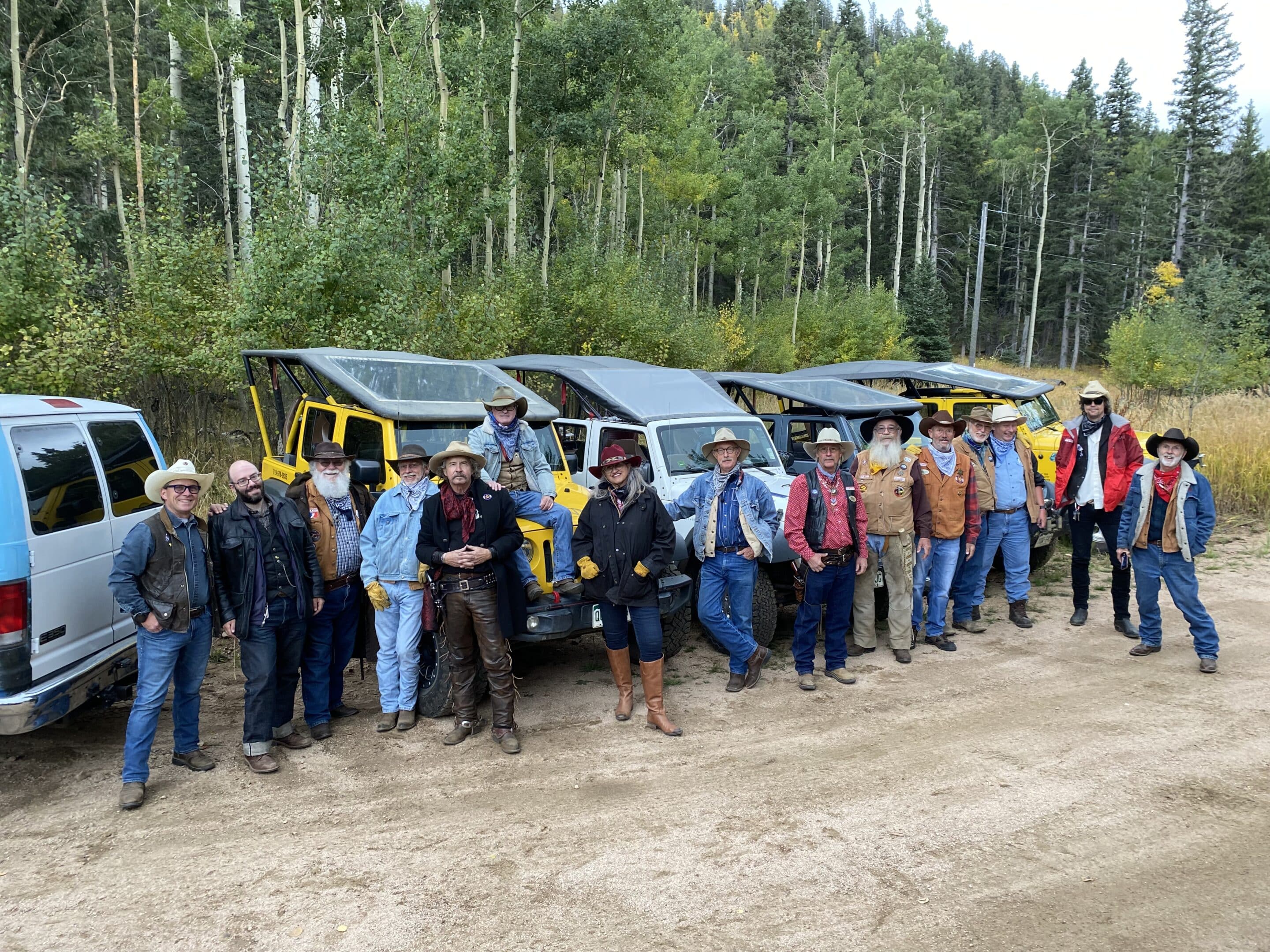
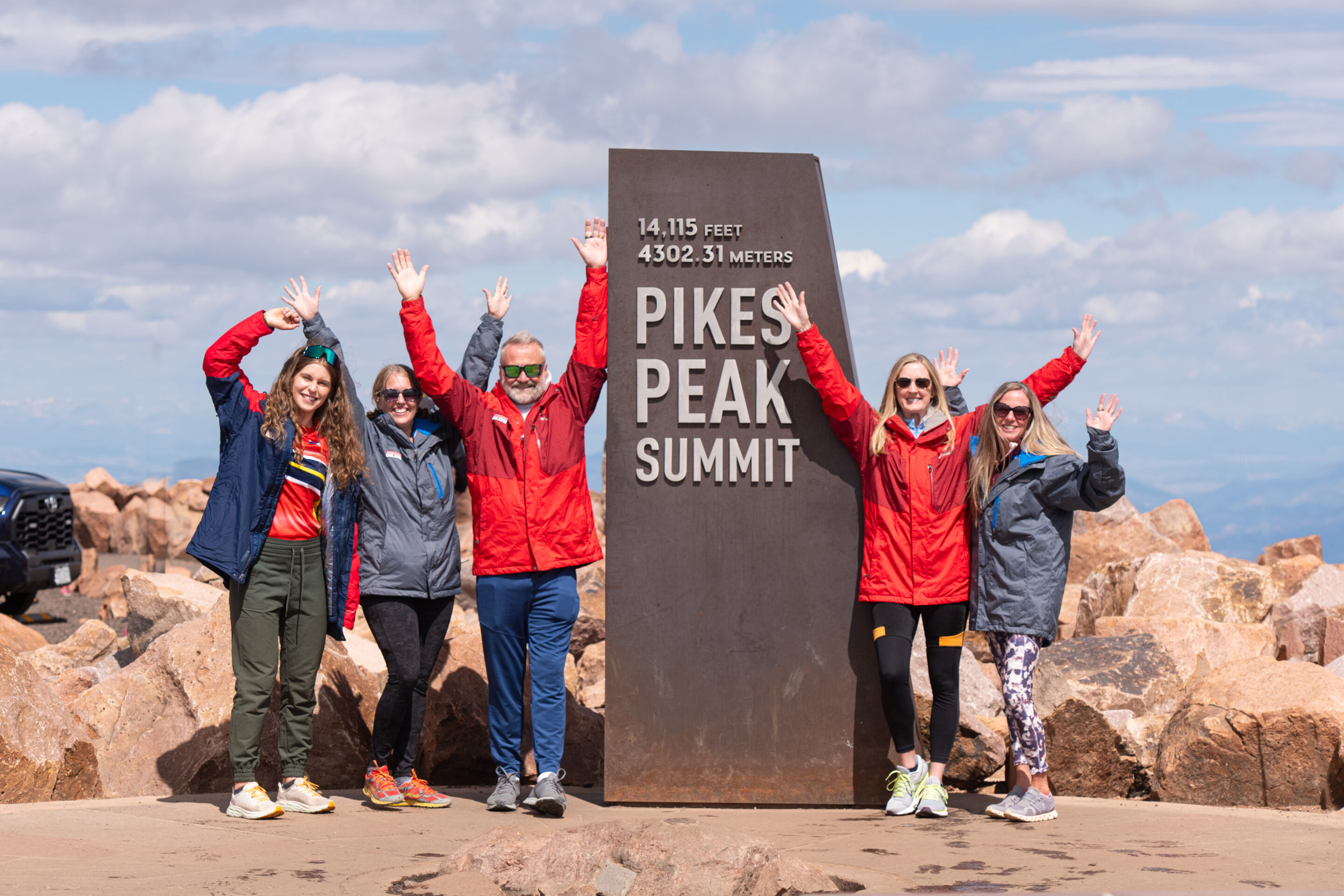
Sassafras/Tammila K. Wright