
When you stand at the base of a 300-foot towering sandstone fin, the sheer scale of the Garden of the Gods hits you all at once. The geology alone—sculpted by the raw forces of nature over 300 million years—is enough to steal your breath. But at Adventures Out West, we know that the true heartbeat of this park isn’t just in the stone; it’s in the “human footsteps” that have echoed through these canyons for millennia. Before it was a world-famous destination, it was a sanctuary, a crossroads, and a gift.
A Sacred Sanctuary of Peace
 The adventure didn’t start with modern tourism; it began thousands of years ago. Long before the first maps were drawn, the ancient ones were navigating these red-rock labyrinths. Archaeological evidence document the area includes ancient stone hearths, fire rings, petroglyphs, and native burials.
For the Ute (Nuu-ciu) people, these rocks aren’t just a scenic backdrop—they are the sacred site of their creation. What is most incredible is the spirit of the land itself. While tribes like the Cheyenne, Arapaho, Comanche, and Kiowa often clashed across the Great Plains, the Garden of the Gods was recognized as neutral ground.

In an act of profound respect, tribes came together in summer to honor the Garden as a place of peace, prayer, and spiritual connection. The Utes were camping on Camp Creek, located east, just outside the park’s eastern hogback ridge, depicted as late as 1913. Today, a yearly pow-wow is held each summer, connecting dozens of tribes, and is open to the public.
Gold, Graffiti, and the “Beer Garden”
In the 1850s, the fever of the Pikes Peak Gold Rush brought a new wave of explorers. Among them was the Lawrence Party from Kansas, who set up camp along Camp Creek. Today, they’ve left us a “time stamp” in the form of Signature Rock, where these 19th-century prospectors carved their names into the sandstone, forever linking their journey to the area.
The park’s very name was “born” from a legend. In 1859, two surveyors, M.S. Beach and Rufus Cable, were scouting for a town site nearby. Mr. Beach, perhaps worn down by the summer heat, suggested the area would make a “capital place for a beer garden.”
Mr.Cable, humbled by the sheer size of the formations, and a particular rock in the shape of hands in prayer:
“Beer garden! Why, it is a fit place for the Gods to assemble. We will call it the Garden of the Gods.”
A Legacy of Stewardship
The Garden we love today exists because of a remarkable act of generosity. In 1879, railroad mogul Charles Elliott Perkins

Charles Elliott Perkin
purchased 240 acres in the heart of the park. He originally planned to build a summer home, but the wild beauty of the landscape stopped him in his tracks. He chose to leave it untouched, keeping it open to the public his entire life.
Following his death, his children fulfilled his greatest unspoken wish. On Christmas Day in 1909, they deeded the land to the City of Colorado Springs with one beautiful, unbreakable stipulation: the park must remain “forever free to the public.”
Join the Legacy
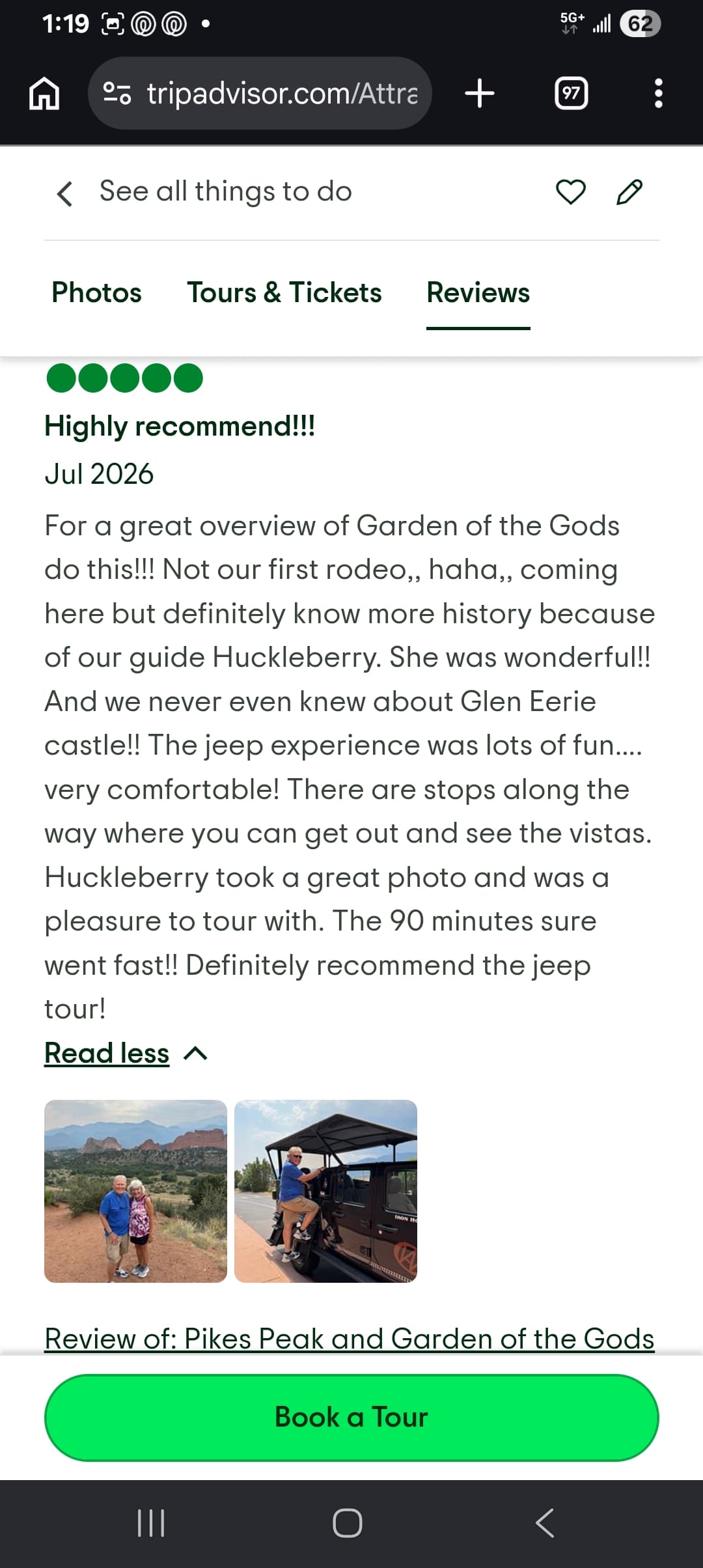
Today, the adventure continues with you. The concession fee charged for each tour helps steward the park through the Garden of the Gods Foundation. When you hop into an Adventures Out West Jeep, power up an e-bike, hike with our guides, or glide on a Segway through these ancient formations, you aren’t just a tourist. You are a part of a multi-millennial legacy of exploration and stewardship.
The red rocks are calling—are you ready to time travel with us?
Sassafras/Tammila K. Wright